
Aiken Pest Control
Aiken, Aiken County
60 SC-licensed providers · 4.9★ average rating · sorted by rating and reviews · updated August 2026.
Ants are the most common pest call in South Carolina, and the lineup is tough: imported fire ants in the yard, carpenter ants in damp wood, and odorous house and Argentine ants marching across the kitchen counter. Compare SC-licensed ant exterminators below — ranked by rating, reviews and verified Clemson DPR license — for targeted treatment that goes after the colony, not just the trail.
Aiken, Aiken County
Aiken, Aiken County
Aiken, Aiken County
Aiken, Aiken County
Aiken, Aiken County
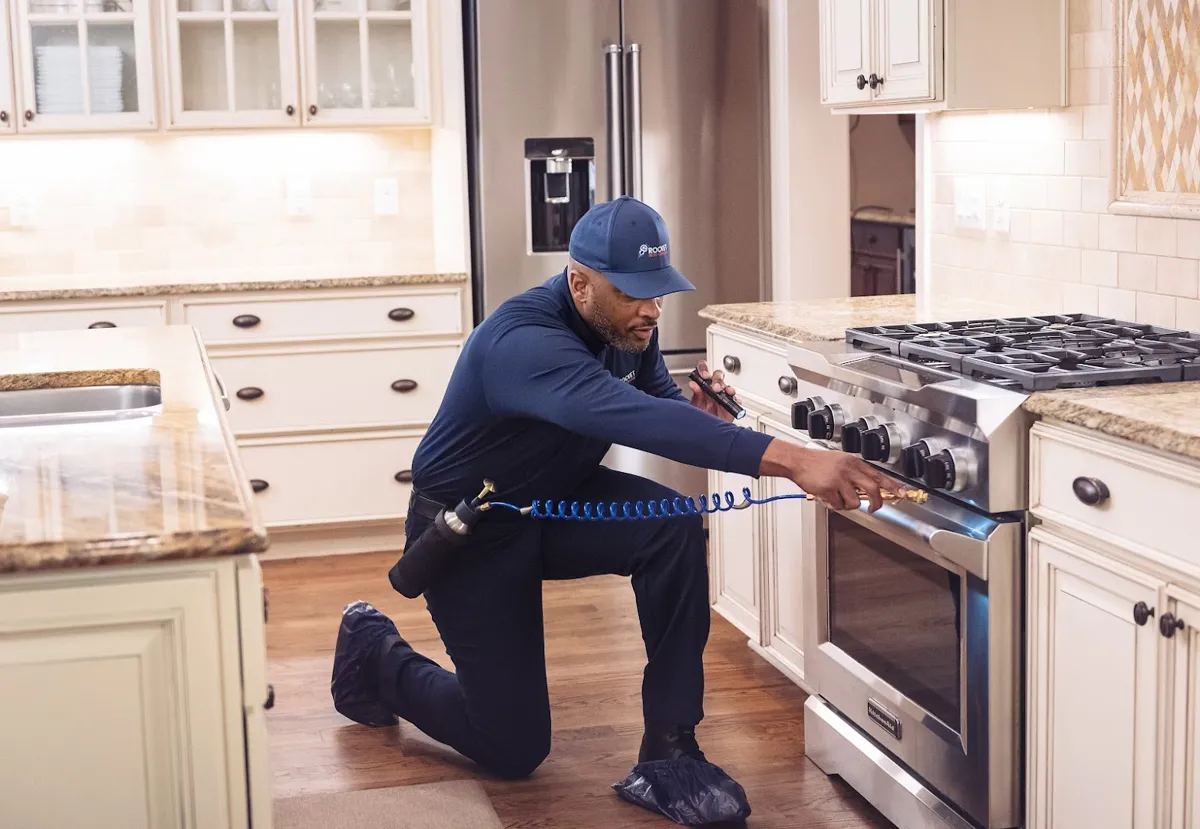
Greenville, Greenville County
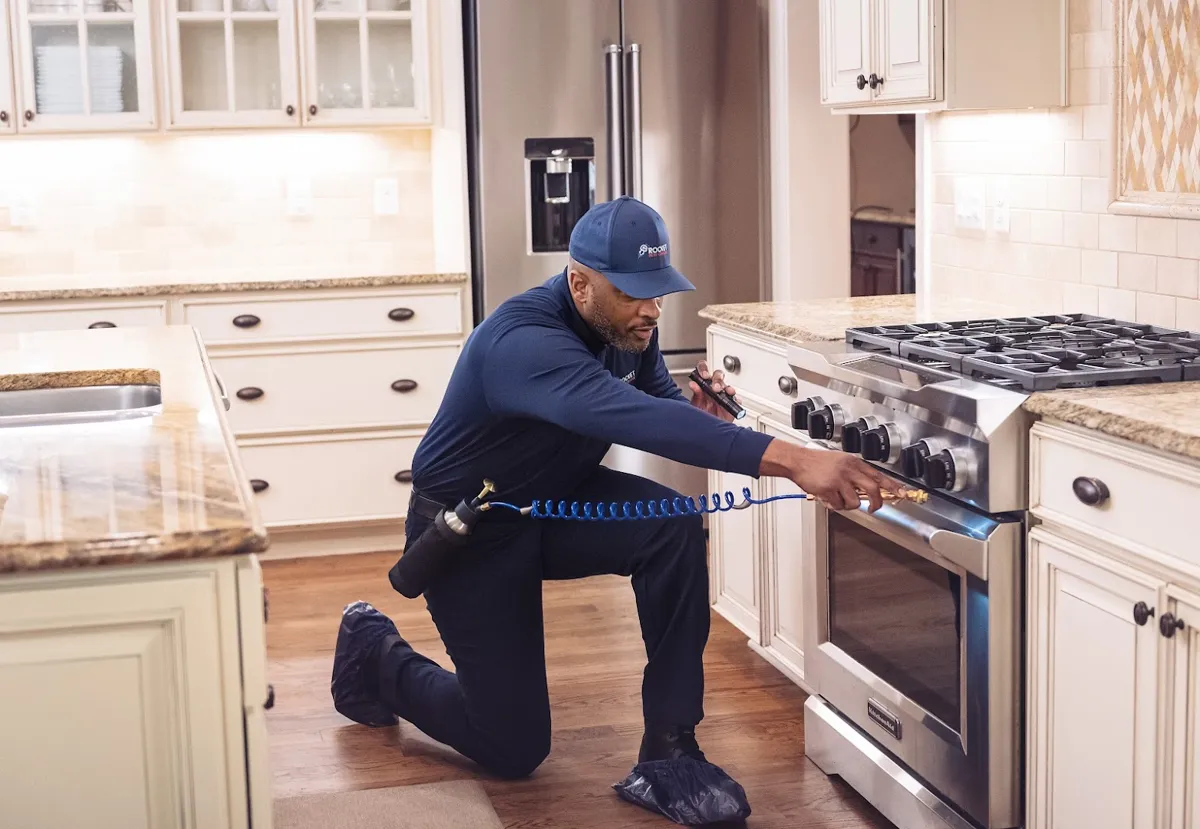
Greenville, Greenville County
Greenville, Greenville County
Greenville, Greenville County
Greenville, Greenville County
Greenville, Greenville County
Columbia, Richland County
Effingham, Florence County
Myrtle Beach, Horry County
Chester

Greenville, Greenville County
North Charleston, Charleston County
Charleston, Charleston County
Greenwood, Greenwood County
Rock Hill, York County
Summerville, Berkeley County

West Columbia, Lexington County
North Charleston, Charleston County
Greenville, Greenville County
Greenville, Greenville County
Charleston, Charleston County
Charleston, Charleston County
Charleston, Charleston County
Charleston, Charleston County
Charleston, Charleston County
Charleston, Charleston County
Hilton Head Island, Beaufort County
Greenville, Greenville County

Columbia, Richland County

Hardeeville, Jasper County
Anderson
Longs, Horry County
Greer, Charleston County
Greenville, Greenville County
Myrtle Beach, Horry County
Bluffton, Beaufort County

Columbia, Lexington County
Charleston, Charleston County
Summerville, Dorchester County
Simpsonville, Greenville County
Columbia, Charleston County
Bluffton, Beaufort County
Fort Mill, Chester County
Greenville, Greenville County
North Charleston, Charleston County
Greenville, Greenville County
Taylors, Greenville County
Charleston, Charleston County
Charleston, Charleston County
Charleston, Chester County
Summerville, Charleston County
Charleston, Charleston County
Lexington, Lexington County
North Augusta, Edgefield County
Enter your ZIP code or town — or use your location — to see the closest SC-licensed ant control companies, sorted by distance.
Ants are the number-one reason South Carolinians call a pest control company, and the warm, humid climate keeps them active nearly all year. The challenge is that “ants” covers very different problems with very different fixes. Imported fire ants dominate yards across the state and sting on contact. Carpenter ants tunnel into damp structural wood. And a rotating cast of odorous house ants, Argentine ants and pavement ants trails indoors after rain or during dry spells looking for water. Because over-the-counter sprays often kill the workers you see while leaving the colony intact — sometimes even causing it to split and spread — professional, species-specific treatment is usually what actually solves an ant problem here.
Imported fire ants are endemic across South Carolina and one of the state’s most persistent yard pests. Their mounds reappear fast after rain, and their stings — which leave a telltale ring of white pustules — can be a real hazard for kids, pets and anyone with a sting allergy. Effective control isn’t about knocking down one mound at a time. Licensed technicians typically use a two-step approach: a broadcast bait that foraging workers carry back to feed the queen, combined with direct mound treatment for fast knockdown. Timing matters — baits work best when ants are actively foraging — so many SC companies fold fire ant work into a seasonal yard program rather than a single visit. Our guide to fire ants in South Carolina covers mound identification, sting care and why DIY mound attacks backfire.
Carpenter ants are the largest ants you’ll see indoors in SC, and unlike fire ants they’re a structural concern. They don’t eat wood, but they hollow out galleries to nest — usually in wood that’s already damp from a leak, poor drainage or condensation. Sawdust-like shavings (frass), faint rustling in walls, and large dark ants foraging at night are common signs. Treatment starts with locating the nest, which may be inside the home or in a nearby tree or woodpile, then treating it directly and addressing the moisture that drew them in. Spraying trails alone rarely works, because it never reaches the colony.
Spring brings swarms in South Carolina, and homeowners often can’t tell a flying ant from a termite swarmer — an important distinction, since one is a nuisance and the other can mean thousands in structural damage. The differences:
If you find a pile of discarded wings on a windowsill or aren’t sure what swarmed, save a few and get an inspection. Our full guide to flying ants vs. termites walks through the identification step by step. When the verdict is termites, see our city termite pages; when it’s ants, the companies above can help.
A one-time interior ant treatment in SC typically runs $90–$300 depending on the species and how widespread the activity is. Fire ant yard treatments run about $75–$250 per visit, and many homeowners save money with a season-long program instead of repeat one-offs. Carpenter ant jobs cost more — commonly $250–$500 — because they require finding and treating the nest, not just the trail. For ongoing prevention, a recurring quarterly plan ($40–$70 per visit) keeps most household ant species from coming back.
A one-time interior ant treatment in SC usually runs $90–$300 depending on the species and severity, while fire ant yard treatments are commonly $75–$250 per visit or bundled into a season-long program. Carpenter ant jobs cost more because they involve finding and treating the nest, often $250–$500. Most homeowners control ants long-term on a recurring quarterly plan at roughly $40–$70 per visit.
Imported fire ants are established statewide and deliver painful stings that can be dangerous to children, pets and anyone with an allergy. They also rebuild mounds quickly after rain and after a single over-the-counter treatment. Professionals use a combination of broadcast baits and mound treatments timed to the colony's feeding cycle, which controls the yard far more reliably than spot-treating individual mounds.
Look at the waist, wings and antennae. Flying ants have a pinched waist, bent (elbowed) antennae, and front wings longer than the back pair. Termite swarmers have a straight, broad waist, straight antennae, and four wings of equal length. In SC, spring swarms of either are common — if you're not sure, save a few specimens and have an inspector confirm, because termites are a far costlier mistake to ignore.
Carpenter ants don't eat wood the way termites do — they excavate galleries to nest, usually in wood that's already damp or decaying. The damage is slower, but a large or long-established colony can still weaken framing, and their presence often points to a moisture problem worth fixing. Either way, locating and treating the nest is the key to lasting control.
Yes. Every company listed holds a South Carolina pesticide license from Clemson DPR, and we show each provider's license categories and number of certified applicators on its profile so you can verify credentials before you call.
Wondering what you'll pay? See our South Carolina pest control cost guide →