
Aiken Pest Control
Aiken, Aiken County
60 SC-licensed providers · 4.9★ average rating · sorted by rating and reviews · updated August 2026.
Most South Carolina spiders are harmless and even helpful, but black widows, brown recluses and the spreading invasive Joro spider still drive plenty of calls. Compare SC-licensed spider exterminators below — ranked by rating, reviews and verified Clemson DPR license — for treatment that targets webs, harborage and the insects spiders feed on.
Aiken, Aiken County
Aiken, Aiken County
Aiken, Aiken County
Aiken, Aiken County
Aiken, Aiken County
Greenville, Greenville County
Greenville, Greenville County
Greenville, Greenville County
Greenville, Greenville County
Greenville, Greenville County
Greenville, Greenville County
Columbia, Richland County
Effingham, Florence County
Myrtle Beach, Horry County
Chester

Greenville, Greenville County
North Charleston, Charleston County
Charleston, Charleston County
Greenwood, Greenwood County
Rock Hill, York County
Summerville, Berkeley County

West Columbia, Lexington County
North Charleston, Charleston County
Greenville, Greenville County
Greenville, Greenville County
Charleston, Charleston County
Charleston, Charleston County
Charleston, Charleston County
Charleston, Charleston County
Charleston, Charleston County
Charleston, Charleston County
Hilton Head Island, Beaufort County
Greenville, Greenville County

Columbia, Richland County

Hardeeville, Jasper County
Anderson
Longs, Horry County
Greer, Charleston County
Greenville, Greenville County
Myrtle Beach, Horry County
Bluffton, Beaufort County

Columbia, Lexington County
Charleston, Charleston County
Summerville, Dorchester County
Simpsonville, Greenville County
Columbia, Charleston County
Bluffton, Beaufort County
Fort Mill, Chester County
Greenville, Greenville County

North Charleston, Charleston County
Greenville, Greenville County
Taylors, Greenville County
Charleston, Charleston County
Charleston, Charleston County
Charleston, Chester County
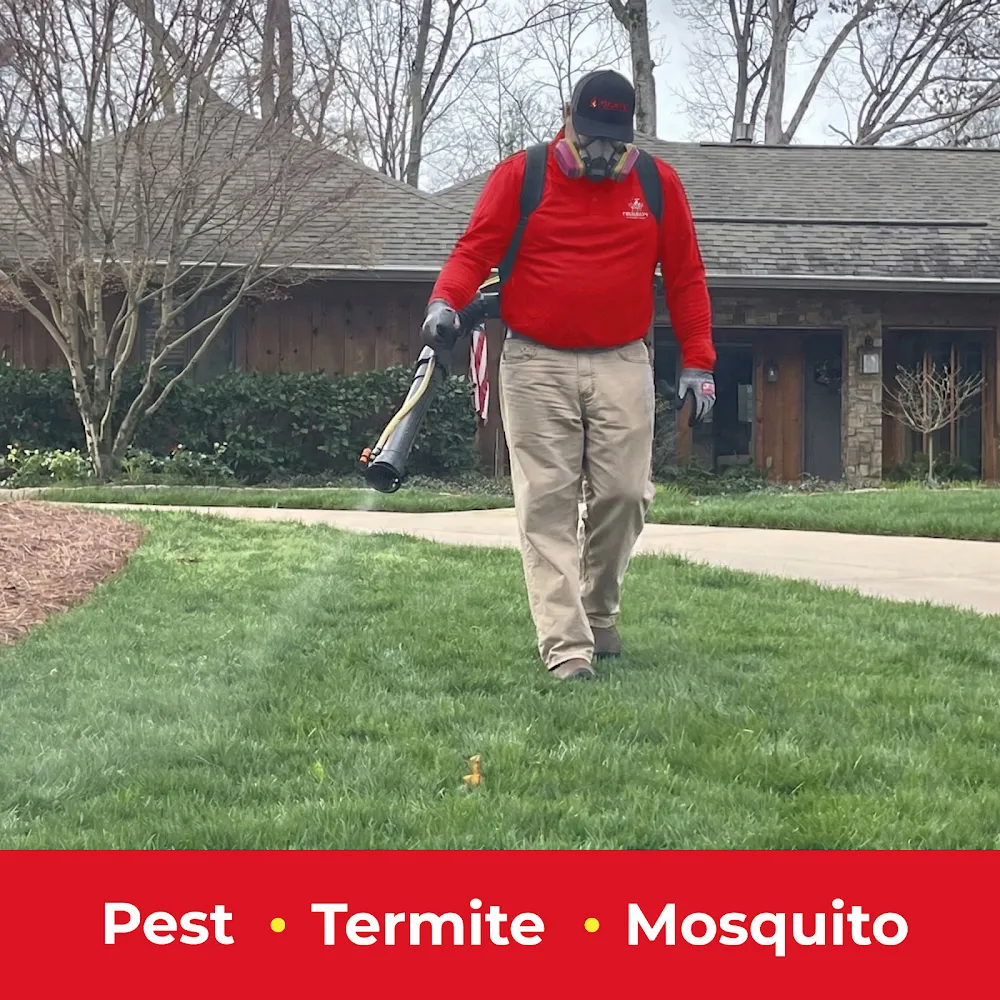
Summerville, Charleston County
Charleston, Charleston County
Lexington, Lexington County
North Augusta, Edgefield County
Enter your ZIP code or town — or use your location — to see the closest SC-licensed spider control companies, sorted by distance.
Spiders are among the most over-feared and under-dangerous pests in South Carolina. The vast majority of species here are harmless and actually beneficial, quietly eating the insects you’d rather not have around. Only two — the black widow and the brown recluse — are of genuine medical concern, and the much-publicized Joro spider is more spectacle than threat. The key insight for control is that spiders follow their food: where there are lots of insects, there will be spiders. That’s why the most effective spider treatment isn’t really about the spiders at all — it’s about reducing the insect prey, harborage and entry points that draw them in.
The Joro spider is an invasive species from East Asia that has spread through the Southeast and into the South Carolina Upstate, and it makes headlines every year. They’re big and brightly colored — yellow, blue-gray and red — and spin large golden webs that can stretch across yards and porches, which is what unnerves people. The reassuring part: Joro spiders are not considered medically significant. Their bite is rare, weak and not dangerous to people or pets, and they’re not aggressive. They’re a nuisance, not a hazard. If their webs are overrunning a porch or garden, professional treatment and web removal can keep them in check, but there’s no cause for alarm. Not sure which big yellow spider you’re looking at? See Joro spider vs. banana spider.
These are the two spiders worth taking seriously in SC. Black widows are glossy black with a red hourglass on the underside and prefer dark, undisturbed outdoor and semi-outdoor spots — garages, woodpiles, crawl spaces, sheds and clutter. Brown recluses are tan with a violin-shaped marking behind the head and hide indoors in quiet, rarely touched places like closets, attics, storage boxes and behind furniture — though genuine recluses are much rarer in SC than people think, and most suspects turn out to be harmless lookalikes. Bites from either can be serious and warrant medical attention. Professional control targets their harborage directly — treating cracks, corners, crawl spaces and storage areas, removing webs and egg sacs, and cutting down the insect prey and clutter that sustain them.
A one-time spider treatment in South Carolina generally runs $100–$300, depending on home size and how widespread the activity is. Because spiders are drawn by the insects they hunt, a single spray rarely keeps them gone for long — the more effective and economical route is usually a recurring general pest plan ($40–$70 per quarterly visit) that suppresses their food supply while knocking down webs and treating harborage. Simple measures help too: sealing gaps and screens, clearing clutter and woodpiles away from the foundation, and switching exterior lights to bulbs that attract fewer insects.
A one-time spider treatment in SC typically runs $100–$300 depending on the size of the home and severity. Because spiders come for the insects they eat, the most effective approach is usually a recurring general pest plan (about $40–$70 per quarterly visit) that reduces their food supply along with knocking down webs and treating harborage.
Not really. Joro spiders are large and their big golden webs are startling, but they're not considered medically significant to people or pets — their bite is rare and mild. They're an invasive species spreading through the Upstate and beyond, and while alarming to look at, they're more of a nuisance than a health threat. There's no need to panic, though many homeowners still want the webs cleared.
The two of medical concern are the black widow and the brown recluse. Black widows are glossy black with a red hourglass and favor garages, woodpiles, crawl spaces and outdoor clutter. Brown recluses are tan with a violin-shaped marking and hide in undisturbed indoor spots like closets, attics and storage boxes. Bites from either should get medical attention, so professional control is worthwhile where they're active.
Effective spider control is mostly about food and harborage. Technicians knock down and remove webs and egg sacs, treat cracks, eaves, corners and other hiding spots, and — most importantly — reduce the insect population spiders feed on through general pest treatment. Sealing gaps and reducing exterior lighting that attracts prey insects also helps keep them away.
Yes. Every company listed holds a South Carolina pesticide license from Clemson DPR, and we show each provider's license categories and number of certified applicators on its profile so you can verify credentials before you call.
Wondering what you'll pay? See our South Carolina pest control cost guide →