Pleasant Pest Solutions
Mt Pleasant, Charleston County
5 SC-licensed providers · 4.9★ average rating · sorted by rating, reviews and profile completeness · updated August 2026.
Mt Pleasant ZIP codes served: 29464, 29466
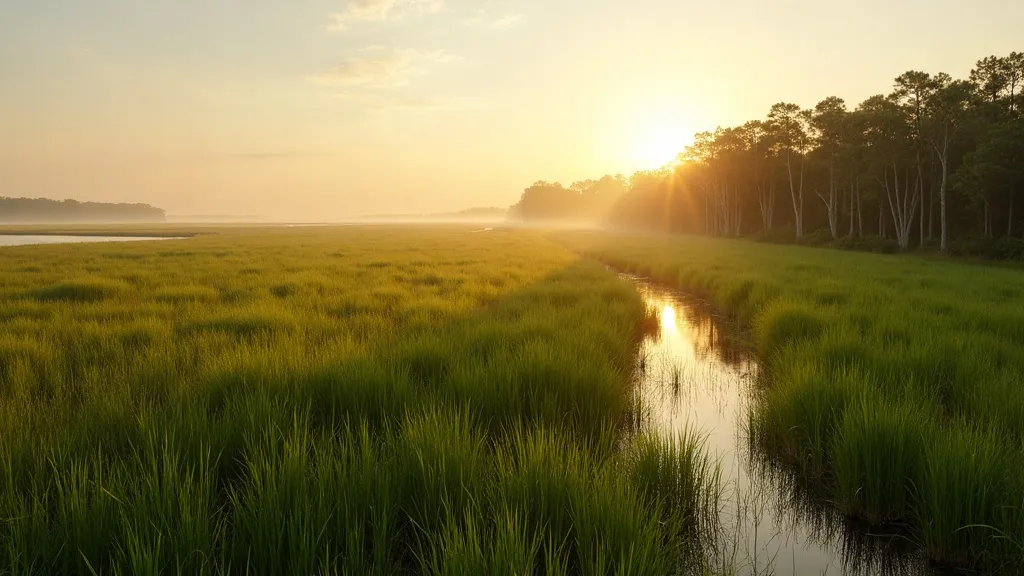
Just east of the Cooper River and ringed by tidal salt marsh, Mt Pleasant sits squarely in the humid Lowcountry, where warm winters do little to knock back insect populations. The town’s creeks, marshes and proximity to the Atlantic at Sullivan’s Island and the Isle of Palms keep humidity high year-round, fueling heavy pest pressure on both older Old Village homes and the newer subdivisions spreading toward Awendaw.
Salt-marsh mosquitoes breed in the tidal flats along the Wando River and intracoastal waterways, and the same moisture supports palmetto bugs, fire ants and aggressive Formosan subterranean termites that thrive throughout coastal Charleston County.
Given the local termite threat, prioritize companies carrying the right Clemson DPR license categories, plus recurring plans and mosquito programs suited to marsh-front and waterfront properties.
Mt Pleasant, Charleston County
Mt Pleasant, Dorchester County
Mt Pleasant, Charleston County
Mt Pleasant, Charleston County
Mt Pleasant, Charleston County
Use your location or enter a ZIP code to find the closest SC-licensed companies to Mt Pleasant — sorted by distance.
The humid coastal Lowcountry climate keeps mosquitoes, palmetto bugs and no-see-ums active for most of the year.
A one-time treatment in Mt Pleasant typically runs $90-$300 depending on the pest and home size, while recurring quarterly plans average $40-$75 per visit.
Mt Pleasant is wrapped by tidal salt marsh and creeks off the Wando and Cooper rivers, which create constant breeding habitat for salt-marsh mosquitoes from spring through fall.
Palmetto bugs (American cockroaches), Formosan and native subterranean termites, fire ants, mosquitoes and the occasional rodent are the most frequent complaints in this coastal Lowcountry town.
Reputable local exterminators hold a verified Clemson DPR license in the relevant categories, which is required to apply restricted termite and general pest treatments in South Carolina.